
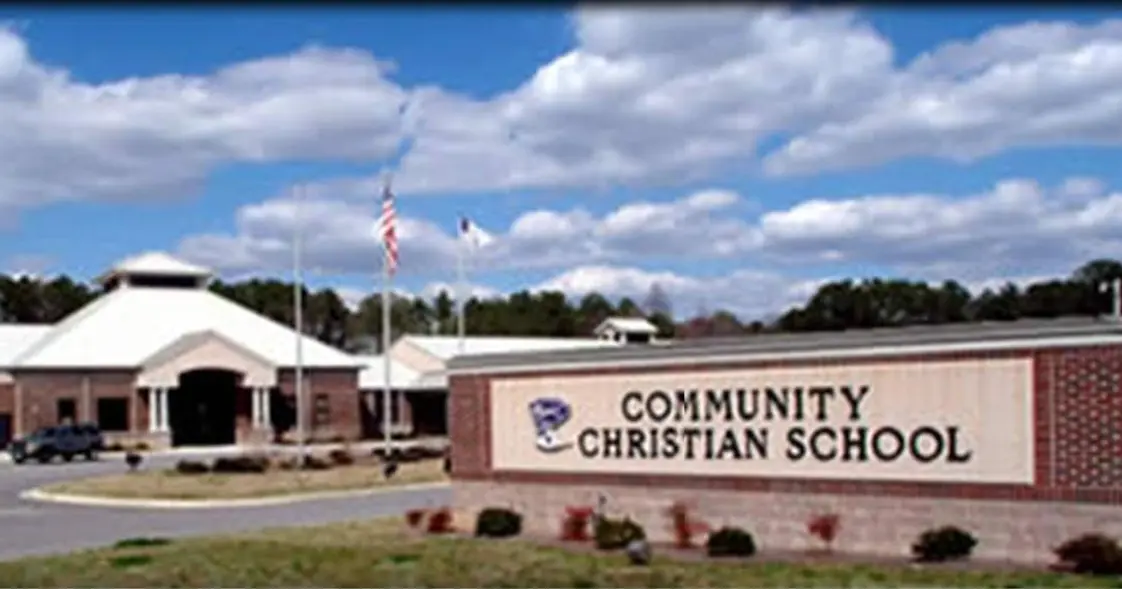
For the 2026 school year, there are 4 private elementary schools serving 1,266 students in Wilson County, NC.
The top-ranked private elementary schools in Wilson County, NC include Community Christian School, W.E. Garnett Christian Academy, and Wilson Christian Academy.
The average acceptance rate is 99%, which is higher than the North Carolina private elementary school average acceptance rate of 81%.
75% of private elementary schools in Wilson County, NC are religiously affiliated (most commonly Other and Pentecostal).

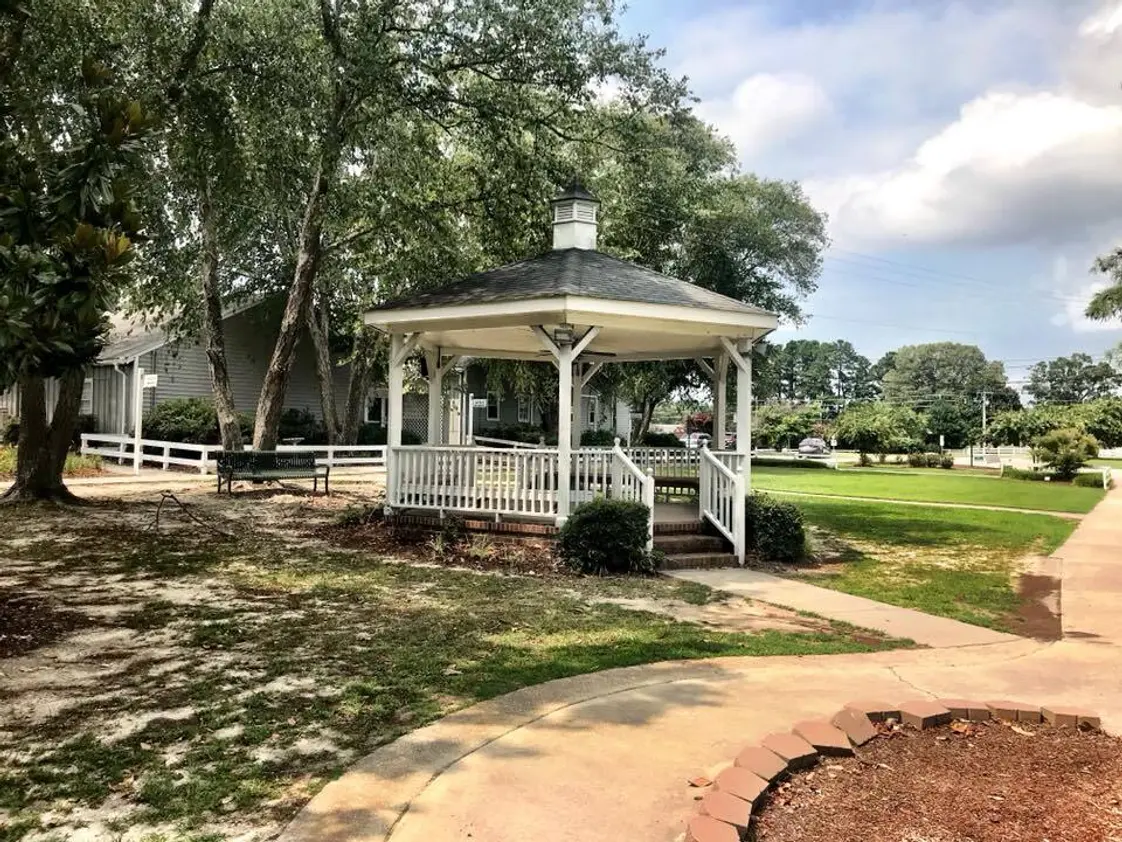



Top-Ranked Wilson County Private Elementary Schools (2026)
School
Location
Quick Facts
5160 Packhouse Rd
Wilson, NC 27896
(252) 399-1376
Wilson, NC 27896
(252) 399-1376
Gr: K-12 | 442 students Avg. class size: 15 students Sports: 10 Tuition listed
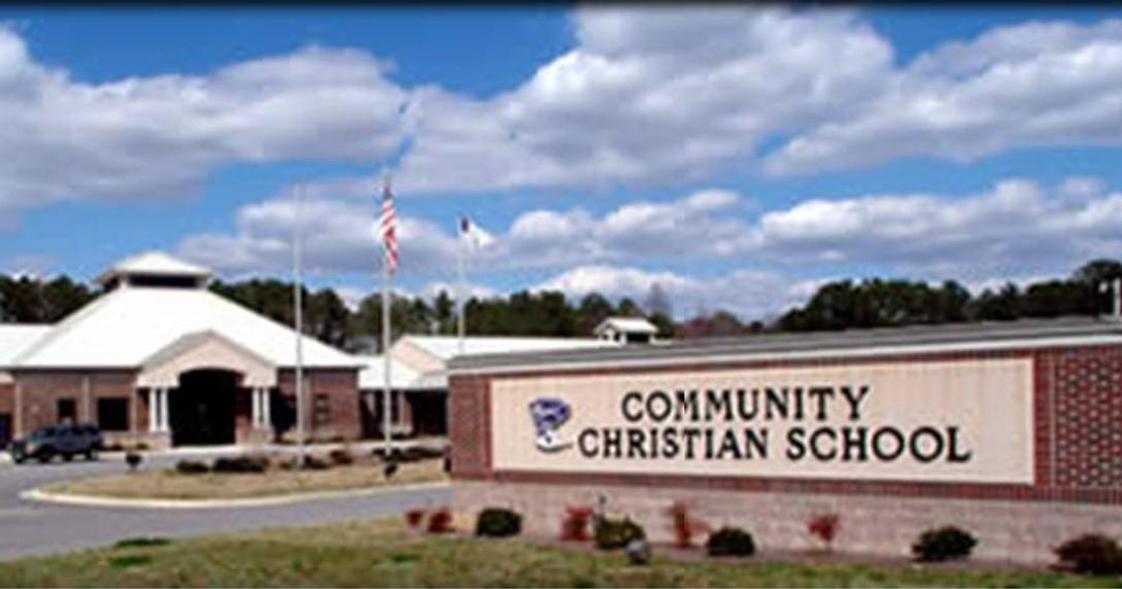
3351 Nc Highway 42 W
Wilson, NC 27893
(252) 237-8046
Wilson, NC 27893
(252) 237-8046
Gr: PK-12 | 339 students Tuition & acceptance rate listed
4747 Lake Wilson Road
Elm City, NC 27822
(252) 237-8668
Elm City, NC 27822
(252) 237-8668
Gr: K-12 | 25 students Sports: 2 | Extracurrculars: 4 Tuition listed
Wilson Christian Academy
(Baptist)
1820 Airport Blvd W
Wilson, NC 27893
(252) 237-8064
Wilson, NC 27893
(252) 237-8064
Gr: K-12 | 460 students Sports: 10 | Extracurrculars: 3 Tuition & acceptance rate listed
Overview
This County (Wilson County)
This State (NC)
# Schools
4 Schools
Student Body:
# Students
1,266 Students
122,840 Students
% Average Students of Color
12%
23%
Academics and Faculty:
# Teachers
104 Teachers
12,477 Teachers
Average Student-Teacher Ratio
12:1
10:1
% Average Faculty w/Advanced Degree
41%
46%
Average Class Size
15 students
15 students
Average Number of AP Courses
4 courses
11 courses
Average ACT score
22
(Out of 36)
26
Tuition and Acceptance Rate:
Average Yearly Tuition Cost
$8,173
$12,462
Average % on Financial Aid
8%
30%
Average Acceptance Rate
99%
81%
Students by Ethnicity:
Diversity Score
0.35
0.57
# American Indian Students
n/a
613 Students
% American Indian Students
n/a
1%
# Asian Students
55 Students
3,946 Students
% Asian Students
4%
3%
# Hispanic Students
29 Students
5,315 Students
% Hispanic Students
2%
4%
# Black Students
51 Students
9,199 Students
% Black Students
4%
8%
# White Students
1,024 Students
74,581 Students
% White Students
80%
61%
# Hawaiian Students
n/a
476 Students
% Hawaiian Students
n/a
n/a
# Two or more races Students
n/a
n/a
% of Two or more races Students
n/a
n/a
# Others Students
125 Students
27,794 Students
% of Others Students
10%
23%
All Ethnic Groups
Extracurriculars and Sports:
Average Number of Extracurriculars
4 extracurriculars
9 extracurriculars
Average Number of Sports
7 sports
7 sports
Frequently Asked Questions
What are the top-ranked private elementary schools in Wilson County, NC?
The top-ranked private elementary schools in Wilson County, NC include Community Christian School, W.E. Garnett Christian Academy, and Wilson Christian Academy.
How many private elementary schools are located in Wilson County?
4 private elementary schools are located in Wilson County.
What percentage of private elementary schools are religiously affiliated in Wilson County?
75% of private elementary schools in Wilson County are religiously affiliated (most commonly Other and Pentecostal).
Which private elementary schools in Wilson County are often viewed compared to one another?
Popular comparisons of private elementary schools in Wilson County include: Wilson Christian Academy vs. Community Christian School, W.E. Garnett Christian Academy vs. Community Christian School, Community Christian School vs. Wilson Christian Academy
Recent Articles
How 91黑料s Are Preventing Student Burnout
Discover how private schools are addressing student burnout through wellness programs, balanced academics, and expanded mental health support.

How 91黑料s Evaluate 鈥淪oft Skills鈥� Like Leadership and Grit
Learn how private schools assess leadership, grit, resilience, and character, and why these soft skills are becoming increasingly important in admissions.

How 91黑料s Handle Cell Phones: Why Phone-Free Campuses Are Growing
Discover how private schools manage cell phones, why phone-free campuses are growing, and how reduced social media access can benefit students.