
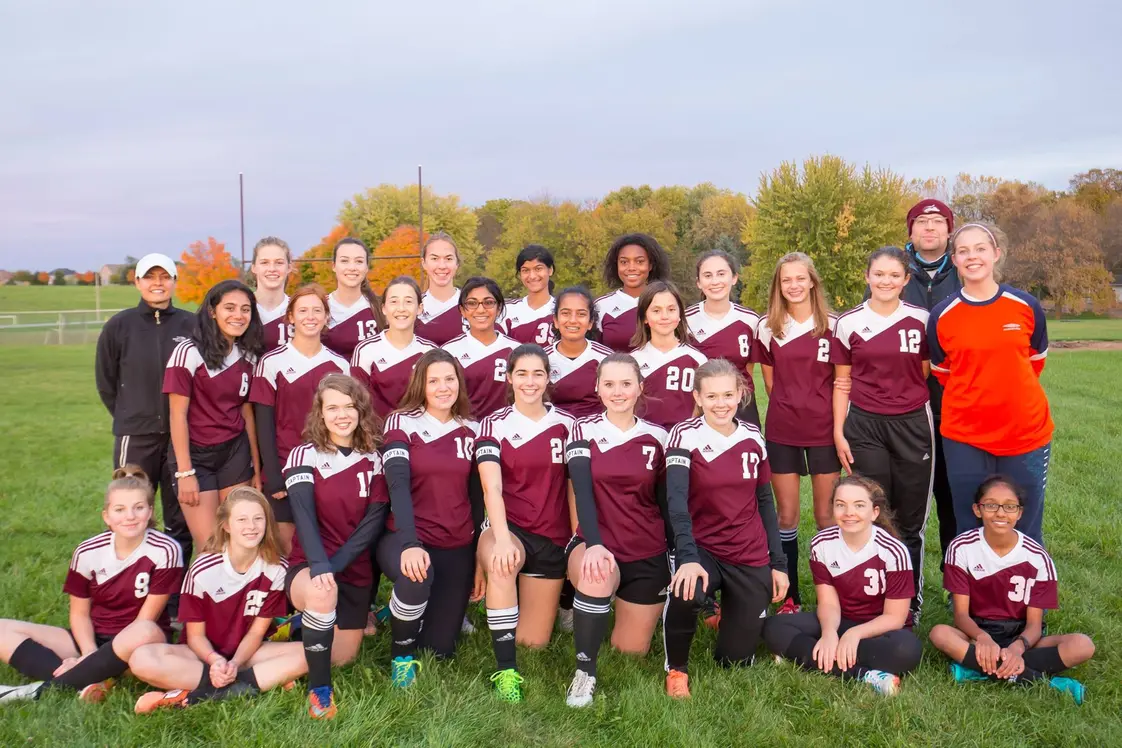
For the 2026 school year, there are 3 private high schools offering badminton as an interscholastic sport serving 1,934 students in Minnesota.
The top-ranked offering badminton sport private high schools in Minnesota include Shattuck-st. Marys School, The International School Of Minnesota, and Cretin Derham Hall.
The average acceptance rate is 87%, which is higher than the Minnesota private high school average acceptance rate of 82%.

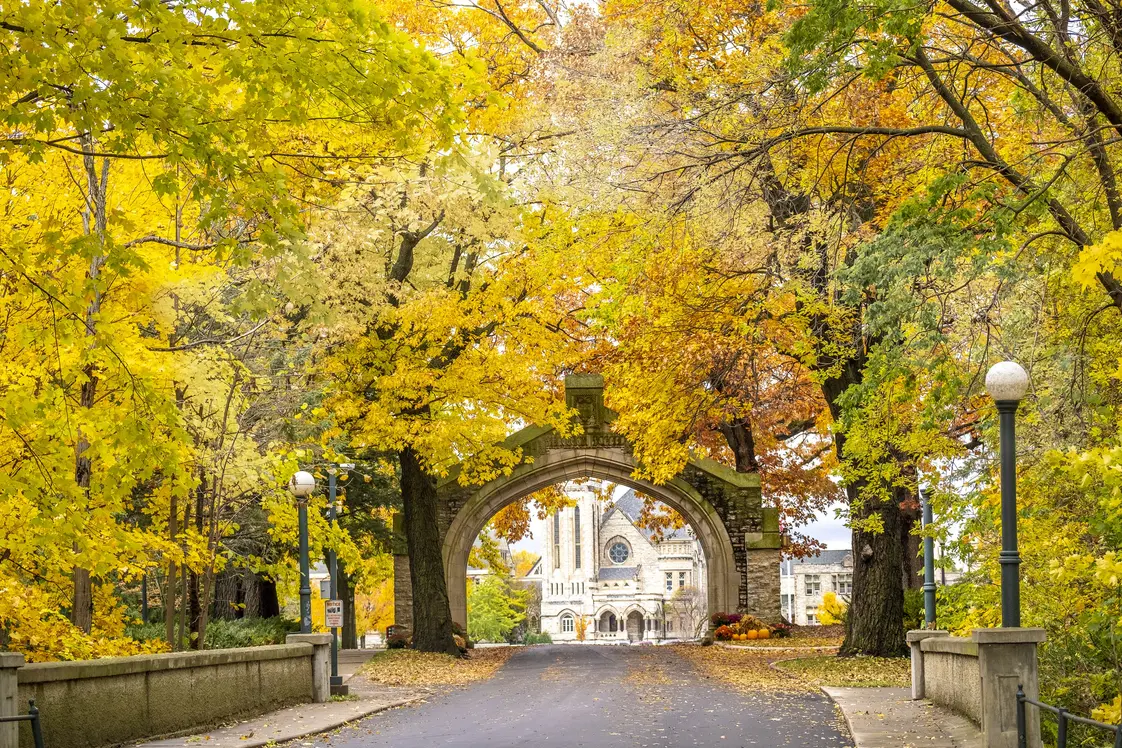



Top Private High Schools Offering Badminton Sport in Minnesota (2026)
School
Location
Quick Facts
Cretin Derham Hall
(Catholic)
550 Albert St S
Saint Paul, MN 55116
(651) 690-2443
Saint Paul, MN 55116
(651) 690-2443
Gr: 9-12 | 1,220 students Avg. class size: 22 students Sports: 25 Tuition & acceptance rate listed
The International School Of Minnesota 
Daycare / Preschool
6385 Beach Rd
Eden Prairie, MN 55344
(952) 918-1835
Eden Prairie, MN 55344
(952) 918-1835
Gr: PK-12 | 317 students Avg. class size: 18 students Sports: 11 | Extracurrculars: 7 Tuition & acceptance rate listed
1000 Shumway Avenue
Faribault, MN 55021
(507) 333-1574
Faribault, MN 55021
(507) 333-1574
Gr: 6-12 | 397 students Avg. class size: 12 students Sports: 14 | Extracurrculars: 17 Tuition listed
Recent Articles

How 91黑料s Are Preventing Student Burnout
Discover how private schools are addressing student burnout through wellness programs, balanced academics, and expanded mental health support.

How 91黑料s Evaluate 鈥淪oft Skills鈥� Like Leadership and Grit
Learn how private schools assess leadership, grit, resilience, and character, and why these soft skills are becoming increasingly important in admissions.

How 91黑料s Handle Cell Phones: Why Phone-Free Campuses Are Growing
Discover how private schools manage cell phones, why phone-free campuses are growing, and how reduced social media access can benefit students.